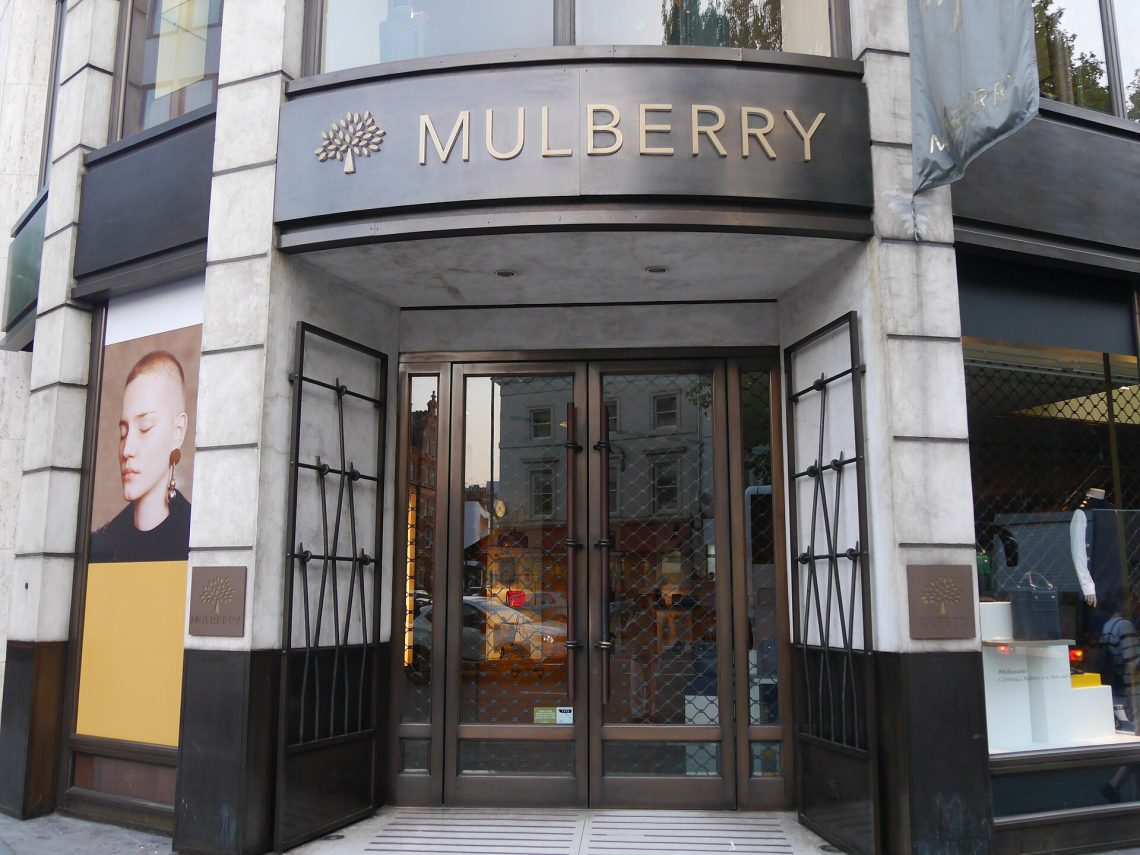
Mulberry, the British leather goods brand founded in Somerset in 1971, has reported an 18% rise in sales for the 26 weeks to 26 September. Its shares rose in early trading on the news.
Growth in every region
The United States was the strongest market, with sales up 28%. Sales in Europe outside the UK rose 23%, and in the UK they rose 10%, or 9% on a like-for-like basis. Sales through franchise and wholesale partners jumped 52%.
Mulberry says demand was strong across both its seasonal and core collections, helped by new bags including the Raffia, Crochet and Stevie. The brand also got a boost from the attention around the Mulberry by Christopher Kane runway show at London Fashion Week.
Less discounting
Perhaps the most important number is not the headline growth but where it came from. More of Mulberry’s sales were made at full price. Chief executive Andrea Baldo said the “growth in full-price sales is particularly encouraging”. He said he was “very pleased” with the progress, which he put down to a year spent refocusing the company on product, brand and customer, along with careful trading and cost control.
He was also cautious, describing the trading environment as challenging and saying there is more to do. Mulberry launched its turnaround plan early last year to strengthen its finances and return to profit.
The tailoring view
Mulberry’s results suggest that customers will pay a fair price for well-made things with a real story, rather than wait for the next sale. That fits what we see in tailoring. People are buying fewer clothes and choosing them more carefully, and they want them to last.
Sources: PA via Yahoo Finance, The Business of Fashion.
Photo: Edwardx, licensed under CC BY-SA 4.0.